Cannabis use disorder is a recognized medical condition, and for many people, professional treatment is the most effective path to recovery. Choosing between inpatient and outpatient care is one of the first decisions a person or family faces, and it shapes everything that follows: the structure of treatment, the level of daily support, and the pace of recovery.
Understanding what each level of care actually involves helps take the guesswork out of that decision. Inpatient and outpatient programs are designed for different situations, different living environments, and different clinical needs.
What Is Cannabis Use Disorder?
Cannabis use disorder (CUD) is diagnosed when a person’s use of cannabis causes significant impairment or distress, including failed attempts to cut back, continued use despite negative consequences, and withdrawal symptoms when not using.
The condition ranges from mild to severe. Some individuals manage early-stage disorder with outpatient support alone. Others, particularly those with long-term heavy use, a history of relapse, or co-occurring mental health conditions tend to benefit most from a structured inpatient environment.
What Does Inpatient Cannabis Rehab Involve?
Inpatient cannabis rehab, also called residential treatment, means living at the treatment facility for the duration of care. There are no commutes, no daily decisions about whether to show up, and no exposure to the environments or relationships that may have fueled use.
Inside a residential program, a person’s schedule is structured from morning to evening. Days typically include individual therapy, group sessions, psychoeducation, and evidence-based modalities like cognitive behavioral therapy (CBT) and dialectical behavior therapy (DBT). Evenings may include 12-Step meetings, holistic programming, or peer support activities. The residential environment reduces external triggers while the clinical team addresses the root causes behind cannabis use.
Who Benefits Most from Inpatient Cannabis Rehab?
Inpatient care is typically recommended when:
- Daily use is severe: Long-term heavy use produces more pronounced withdrawal symptoms and stronger behavioral patterns that outpatient sessions alone can’t fully interrupt.
- Prior outpatient attempts haven’t held: If a person has tried outpatient treatment and relapsed, inpatient care removes the environmental variables that made staying on track difficult.
- Co-occurring conditions are present: When cannabis use overlaps with anxiety, depression, PTSD, or psychosis, simultaneous treatment in a residential setting is often more effective.
- Home is an unstable environment: Living with active users or in a high-stress household makes recovery significantly harder without the buffer of residential care.
What Does Outpatient Cannabis Rehab Look Like?
Outpatient treatment allows a person to live at home while attending structured programming during the day or evening. It’s a different type of care, suited to people whose circumstances support recovery outside a residential setting.
Partial hospitalization programs (PHP) are the higher-intensity option. Participants attend treatment for approximately 20–30 hours per week, usually five days a week. Programming mirrors what’s offered in residential settings without overnight stays.
Intensive outpatient programs (IOP) involve fewer weekly hours, typically 9–15, and are designed for people who have completed a more intensive phase of treatment or whose clinical needs don’t require PHP-level structure.
Who Is Outpatient Treatment Right For?
Outpatient cannabis rehab tends to be the right fit when:
- Cannabis use is moderate: People in the earlier or middle stages of CUD can often stabilize in an outpatient environment with appropriate clinical support.
- Responsibilities can’t be paused: Parents, employees, or students who need to maintain daily routines can benefit from outpatient programming that works around those commitments.
- A stable home environment exists: Living away from active use, in a supportive household, makes the space between sessions feel less like a gap and more like a continuation of recovery.
- It follows a higher level of care: Many people step down into IOP after completing inpatient or PHP as they stabilize. Outpatient serves as both a primary and a transitional option.
Inpatient vs. Outpatient Cannabis Rehab: Key Differences
The core distinction boils down to clinical need, environment, and fit. Here’s how they compare across the dimensions that matter most:
- Structure: Inpatient provides 24/7 support in a contained clinical environment. Outpatient delivers structured programming while the person returns home each day.
- Intensity: Residential programs involve the highest daily clinical contact. PHP and IOP are lower in contact hours but remain evidence-based and clinically supervised.
- Insurance coverage: Both levels are typically covered by major insurance plans. Inpatient requires longer authorization and is generally more resource-intensive.
- Duration: Residential treatment usually runs 28–90 days. PHP typically lasts three to six weeks; IOP may continue for two to three months or longer.
- Flexibility: Outpatient allows people to maintain jobs, school, and family roles. Inpatient requires a full step away from daily life, which some people need and others can’t manage.
Neither level is universally better. The right choice depends on clinical assessment, personal circumstances, and what’s actually been shown to work for the individual.
Co-Occurring Disorders and Cannabis Use
Cannabis use disorder rarely exists in isolation. Research consistently shows that people with anxiety disorders, depression, PTSD, and bipolar disorder are more likely to develop CUD, and more likely to struggle to stop without treatment that addresses both conditions simultaneously.
Treating substance use without addressing the underlying mental health condition leaves the most significant driver of use untreated. Treating the mental health condition without addressing substance use misses the way each reinforces the other.
Whether a person needs inpatient or outpatient care for cannabis use, dual diagnosis treatment integrates mental health and addiction services into a single, coordinated plan.
How Arkview Behavioral Health Can Help in PA
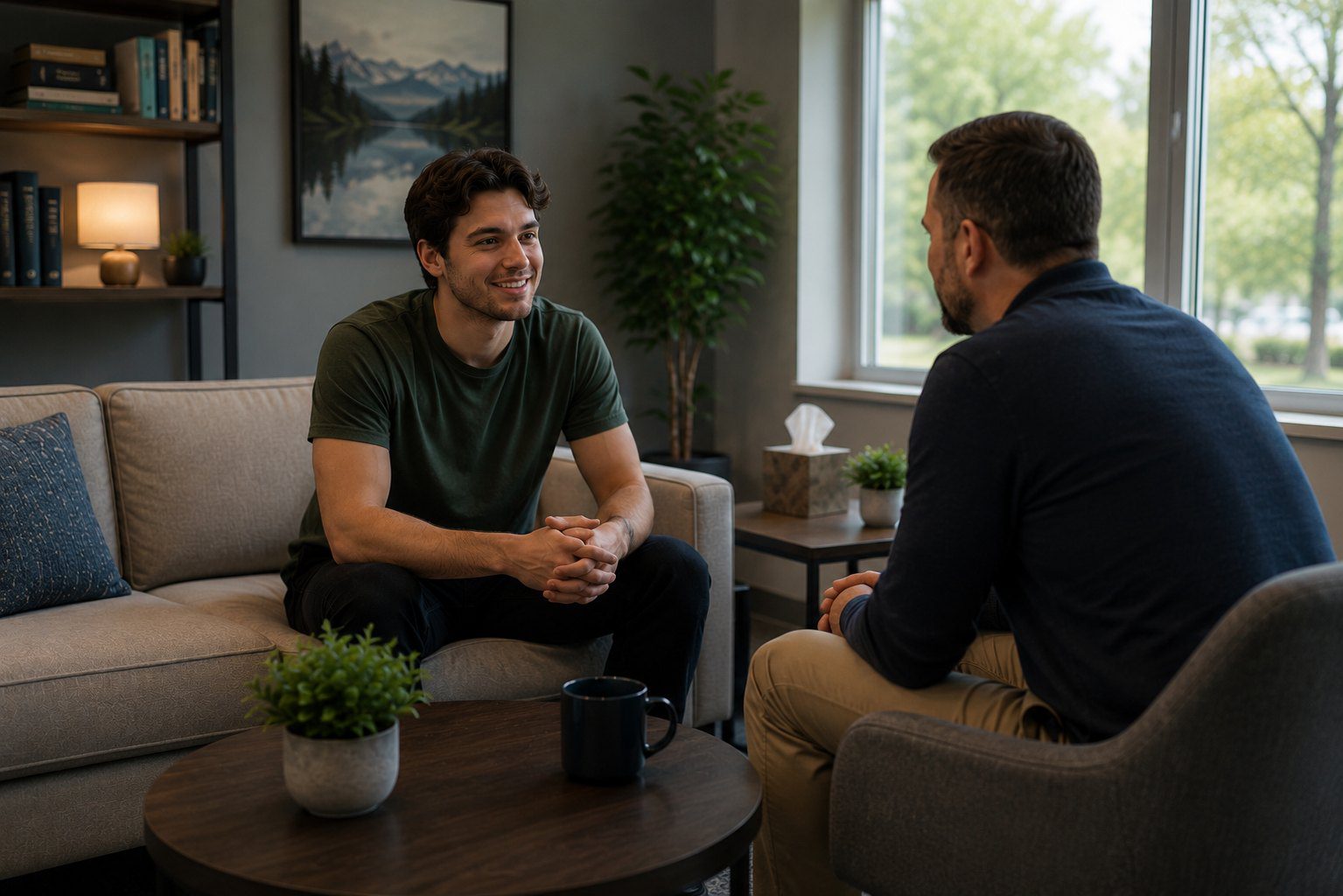
For Pennsylvania residents, Arkview Behavioral Health offers a full continuum of care, from residential treatment through partial hospitalization and intensive outpatient programming, all designed to meet people wherever they are in the recovery process.
Dual diagnosis is also a core part of Arkview’s clinical model. Every person in treatment is assessed for co-occurring mental health conditions, and care plans are built to treat both the substance use and the underlying condition simultaneously. Nothing gets treated in isolation.
Arkview accepts most major insurance plans, so if you or someone you care about is weighing which level of care makes sense, Arkview’s intake team can help clarify the options. Reach out or call 717.744.0756 to speak with an intake specialist.
Frequently Asked Questions
Is cannabis use disorder a real diagnosis?
Yes. Cannabis use disorder is a recognized diagnosis in the DSM-5, defined by a pattern of cannabis use that causes significant impairment, including failed attempts to stop, withdrawal symptoms, and continued use despite negative consequences. Severity ranges from mild to severe, and professional treatment is available at every level.
Can you go through cannabis withdrawal?
Yes, though cannabis withdrawal is typically less severe than withdrawal from alcohol or opioids. Common symptoms include irritability, anxiety, sleep disruption, and decreased appetite. Symptoms usually begin within one to three days of stopping use and peak around the first week. Clinical supervision during this window supports both comfort and safety.
How long does inpatient cannabis rehab take?
Most residential programs run between 28 and 90 days. Length of stay depends on the severity of use, the presence of co-occurring conditions, and how a person responds to treatment. Clinicians reassess regularly and adjust the plan as needed rather than applying a fixed timeline.
Does insurance cover cannabis rehab in Pennsylvania?
Most major commercial insurance plans cover cannabis use disorder treatment, including residential and outpatient levels of care, and the Mental Health Parity and Addiction Equity Act (MHPAEA) requires that coverage to be offered at parity with medical and surgical care. Arkview provides free insurance verification.
What if I have depression or anxiety along with cannabis use disorder?
Co-occurring mental health conditions are common among people with cannabis use disorder, and they’re treatable. Dual diagnosis programs address both conditions simultaneously, which produces better long-term outcomes than treating them in sequence. Arkview’s clinical model integrates mental health treatment into every level of care.